Twenty shades, from the darkest to the lightest, including root transitions and lightened blends. The swatches below are a photograph of the company's physical shade board — not colour values picked on a screen.
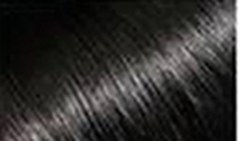 1B
1B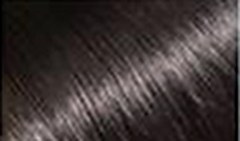 2
2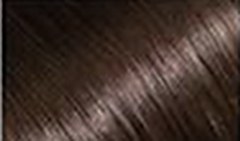 3
3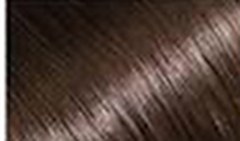 4
4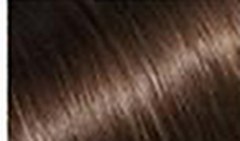 6
6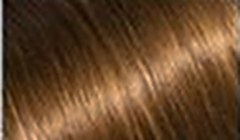 5B
5B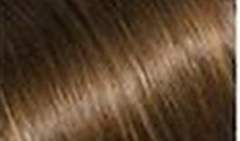 7
7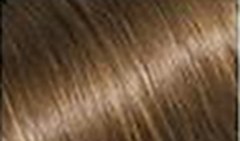 7.11
7.11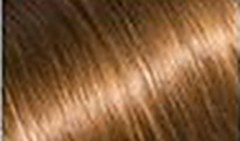 8
8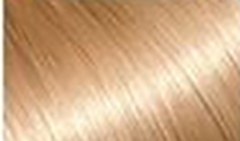 9
9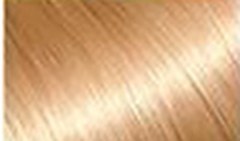 9.11
9.11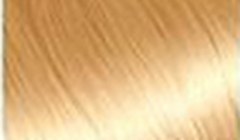 10
10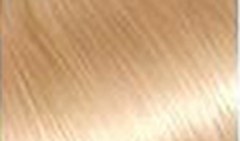 10.11
10.11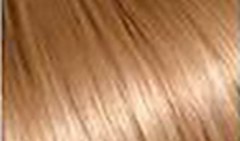 DB3
DB3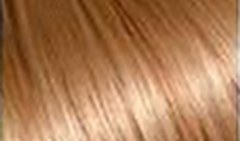 DB4
DB4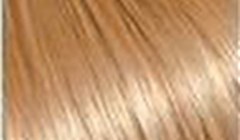 140
140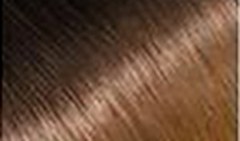 1b/7
1b/7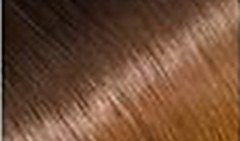 1b/8
1b/8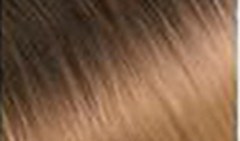 1b/9
1b/9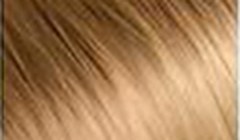 7/10
7/10
⚠️ A shade on a screen is not the shade in your hand. Lighting, screen calibration and hair texture all change what you see. Matching is always closed against the physical board the agent brings to the salon.
Reading a shade code
Three kinds of code
A single shade
One number — 1b, 4, 613. The whole weft is one shade, root to tip. This is the common code, and it is what fits when the client's own colour is even.
Root transition
Two numbers with a slash — 1b/7, 1b/8, 1b/9. A darker root into a lighter end, so the transition does not read as a line. Suits hair with dark natural regrowth.
Lightened blend
A prefixed code — DB3, DB4 — or a light pair such as 7/10. These are lightened blends, and they are what fits hair that has been coloured or highlighted.
The shade code is the same code in the shop, in the catalogue and on the order. Search the shop by shade code.
Matching a shade in the salon
- 01
Check it in daylight
Not under the salon lamp. A shade that looks right in warm light reads differently in the street, and this is the most common error.
- 02
Measure mid-length, not at the root
The root is almost always darker. The weft has to match the hair where it will sit — from mid-length down.
- 03
Between two shades, take the darker
Natural hair lightens over time, in the sun and through washing. A slightly darker weft settles into the colour; a slightly lighter one stands out.
- 04
On coloured hair, match after the colour
Match to what the hair will be, not what it is. If the client is colouring in the same appointment, colour first and match second.